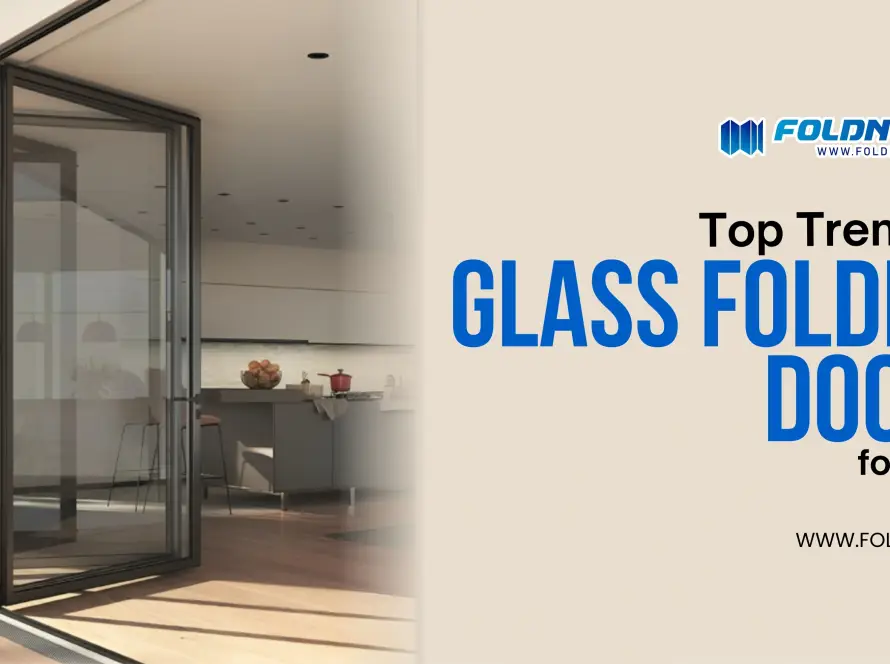
Glass walls are becoming very popular in modern homes, especially in small houses, apartments, and compact living spaces. These are large glass panels used instead of solid brick or concrete walls. They can be fixed or sliding and are often used in living rooms, bedrooms, offices, balconies, and kitchens.
The main reason people choose glass walls is simple: they make small spaces look bigger, brighter, and more open. In modern interior design, glass walls are often used to create a “wide open feeling” even when the actual space is small.
How Glass Walls Create the Illusion of More Space
One of the biggest benefits of glass walls is that they visually expand a room. Solid walls block the view and make spaces feel closed and tight. But glass walls allow the eyes to see through them, which removes the feeling of separation.
When you can see the outside garden, balcony, or another room through glass, the brain feels like the space is larger than it actually is. This is called a “visual extension effect” in interior design.
For example, a small living room with glass walls facing a garden will feel twice as big because your eyes continue beyond the room.
More Natural Light Makes Small Rooms Look Bigger
Natural light plays a very important role in making small spaces feel larger. Glass walls allow sunlight to enter freely from outside, which brightens the entire room.
Bright rooms always look bigger than dark rooms. When sunlight spreads across floors, walls, and furniture, it removes shadows and corners that make spaces feel tight.
This is why modern architects often use “floor to ceiling glass walls” in small homes. More light equals more openness and more comfort.
Open-Plan Living with Glass Partition Walls
Glass walls are often used to create open-plan layouts inside homes. Instead of using thick walls to separate rooms, glass partitions are used.
For example:
- Living room connected to dining area
- Bedroom separated from study area
- Kitchen connected to lounge
This keeps the space divided but still visually connected. The result is a home that feels open, modern, and less crowded.
This is especially useful in small apartments where every square foot matters.
Indoor-Outdoor Connection That Expands Space
One of the most powerful effects of glass walls is the strong connection between indoor and outdoor areas.
When a small living room opens into a balcony or garden through glass walls, the outdoor space becomes part of the room visually. Even though the area outside is separate, it feels like an extension of the indoor space.
This is why many modern homes use “glass wall sliding systems” or “folding glass walls” to connect patios, terraces, and gardens with interiors.
This connection makes small homes feel much larger and more luxurious.
Related: Top Soundproof Glass Doors in Dubai for Peaceful Living
Minimal Design That Reduces Visual Clutter
Small spaces often feel crowded because of too many visual barriers like thick walls, doors, and partitions. Glass walls remove this problem because they are transparent and lightweight in appearance.
They reduce visual clutter and create a clean, minimal design. Instead of seeing heavy structures, you see open space and light.
This is a key reason why glass walls are popular in modern interior design styles like minimalism and Scandinavian design.
Better Flow of Air and Movement in Small Spaces
Glass walls can improve the flow of movement inside a home. In small areas, heavy walls can block natural pathways and make rooms feel tight.
Glass walls allow designers to create smooth transitions between rooms without completely closing them off. Sliding or folding glass walls also allow flexible movement when needed.
For example, a glass wall between a living room and balcony can be opened completely, turning two small spaces into one large open area.
Glass Walls and Modern Space-Saving Design
In modern architecture, glass walls are often used as a space-saving solution. Instead of building multiple small rooms with thick walls, designers create flexible spaces using glass.
This helps in:
- Maximizing usable floor area
- Reducing unnecessary partitions
- Creating multifunctional rooms
For example, a small apartment can use glass walls to separate a bedroom and study without making the home feel cramped.
Heat-Resistant Glass Doors for Homes in Dubai
Energy Efficiency and Smart Glass Technology
Modern glass walls are not just about looks. Many now come with energy-efficient features like:
- Double glazing
- UV protection
- Thermal insulation
These features help control temperature inside the home. They keep heat out during summer and warmth inside during winter.
This makes glass walls a smart choice for small homes where comfort and energy saving are important.
Safety and Durability of Glass Wall Systems
Many people think glass walls are fragile, but modern systems are very strong. They are made using toughened or laminated safety glass that is designed to handle pressure, wind, and impact.
Aluminium or steel frames are used to support the glass, making them stable and long-lasting. With proper installation, glass walls can last for many years without issues.
Where Glass Walls Work Best in Small Homes
Glass walls are very useful in different areas of a small home, such as:
- Living rooms connected to balconies
- Small bedrooms with outdoor views
- Kitchen and dining separation
- Home offices needing natural light
- Studio apartments for open layout design
They are especially useful in urban apartments where space is limited.
Disadvantages of Glass Walls in Small Spaces
Even though glass walls have many benefits, there are some downsides to consider.
One challenge is privacy. Since glass is transparent, it may not be suitable for bedrooms or bathrooms unless frosted or tinted glass is used.
Another issue is cleaning. Glass surfaces show dust, fingerprints, and stains more easily than solid walls.
Cost can also be higher compared to traditional walls, especially for high-quality systems with insulation and safety features.
Glass Walls vs Traditional Walls in Small Spaces
Traditional walls make spaces feel divided and smaller because they block light and views. Glass walls do the opposite by keeping spaces visually open.
In small homes:
- Glass walls = open, bright, modern feel
- Brick walls = closed, divided, compact feel
This is why modern architects prefer glass walls for small apartments and compact home designs.
Are Glass Walls Worth It for Small Areas?
Glass walls are definitely worth it for many small homes, especially when the goal is to make spaces feel larger and brighter. They improve natural light, create modern interiors, and give a sense of openness that traditional walls cannot provide.
However, they work best when used in the right places and combined with proper privacy solutions where needed.
FAQs
1. Do glass walls really make small rooms look bigger?
Yes, glass walls make small rooms look bigger because they allow light and visibility, which creates an open and wide feeling.
2. Are glass walls good for small apartments?
Yes, glass walls are very good for small apartments as they improve light, space flow, and modern design.
3. Are glass walls safe for homes?
Yes, modern glass walls use toughened safety glass and strong frames, making them safe and durable.
4. Do glass walls reduce privacy?
Yes, clear glass walls can reduce privacy, but frosted or tinted glass can solve this problem.
5. Are glass walls expensive?
They can be more expensive than traditional walls, but they add long-term value, style, and space benefits.
Conclusion
Glass walls are one of the best modern solutions for maximizing space in small homes. They make interiors brighter, more open, and visually larger by allowing natural light and clear views. They also create flexible living spaces and improve the connection between indoor and outdoor areas. While they require more investment and maintenance, their design benefits are strong. For anyone looking to make a small space feel modern, open, and spacious, glass walls are a highly effective choice.