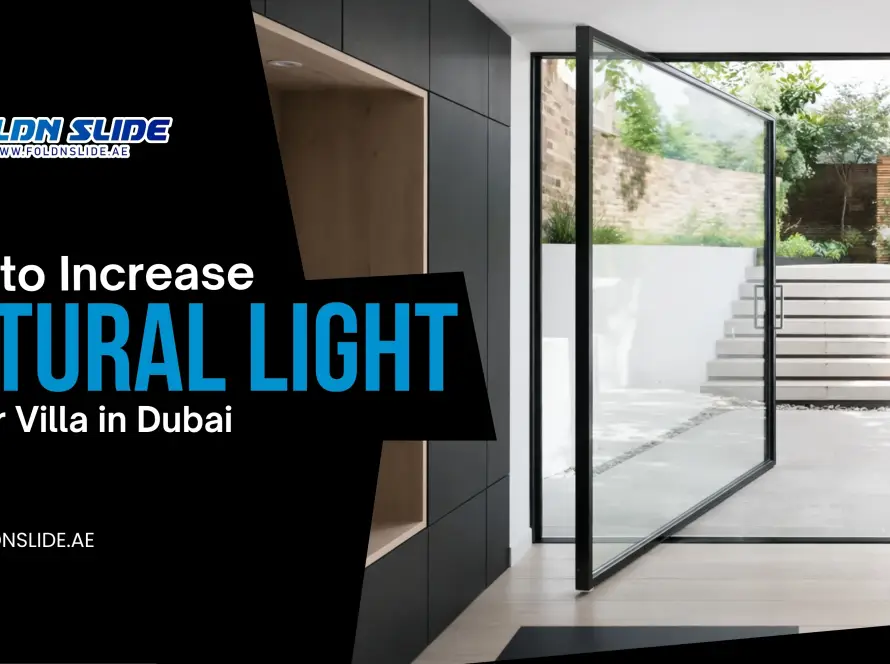
Patio doors enhance natural light, improve ventilation, and create a seamless connection between indoor and outdoor spaces. However, because they face constant exposure to rain, humidity, UV rays, and changing weather, choosing the right material is essential for long-term performance.
Corrosion resistant patio doors are designed to withstand these harsh conditions without rusting or deteriorating. Whether you live in a coastal region or simply want a durable, low-maintenance solution, investing in corrosion-resistant doors can save money on repairs while improving your home’s appearance and energy efficiency. This guide explains everything you need to know before making a purchase.
What Are Corrosion Resistant Patio Doors?
Corrosion resistant patio doors are exterior doors built with durable materials and protective finishes that prevent rust, oxidation, and moisture damage.
These doors are commonly manufactured using powder-coated aluminum, fiberglass, high-quality vinyl, and marine-grade stainless steel hardware. They are designed to maintain their strength, appearance, and smooth operation even in humid climates or coastal environments where standard doors often fail.
Why Should You Choose Corrosion Resistant Patio Doors?
Choosing corrosion resistant patio doors is a smart long-term investment because they offer greater durability than conventional exterior doors. Instead of dealing with rust, peeling finishes, or damaged hardware, homeowners enjoy reliable performance with minimal maintenance.
These doors also improve energy efficiency when paired with insulated frames and Low-E glass. Over time, their durability helps reduce repair costs, increase property value, and maintain your home’s modern appearance.
What Causes Patio Doors to Corrode?
Moisture is the biggest cause of corrosion. Rain, humidity, and condensation gradually damage untreated metal surfaces, leading to rust and structural deterioration. Homes located near the ocean face an even greater risk because salt particles accelerate corrosion.
Poor-quality hardware, damaged protective coatings, and improper installation can also shorten the lifespan of patio doors. Choosing high-quality materials and professional installation significantly reduces these risks.
Best Materials for Corrosion Resistant Patio Doors
Selecting the right material is the most important step when buying a patio door. Each option offers unique advantages depending on your budget, climate, and design preferences.
Powder-Coated Aluminum
Powder-coated aluminum is one of the most popular choices because it naturally resists corrosion while remaining lightweight and exceptionally strong. Its slim frames allow for larger glass panels, making it ideal for modern homes. High-quality powder coatings also protect against UV rays, moisture, and fading.
Fiberglass
Fiberglass is highly durable and won’t rust, warp, or crack. It performs exceptionally well in humid climates and offers excellent thermal insulation. Many fiberglass doors also mimic the appearance of natural wood, giving homeowners the beauty of timber without the maintenance.
Vinyl
Vinyl patio doors are an affordable and low-maintenance option. They resist moisture, never rust, and provide excellent insulation. Although they may not be as structurally strong as aluminum or fiberglass, they remain a popular choice for homeowners seeking value and energy efficiency.
Aluminum vs. Fiberglass vs. Vinyl
Each material has its strengths. Aluminum offers exceptional strength and a sleek, modern appearance. Fiberglass provides superior durability and insulation, making it ideal for extreme climates. Vinyl is the most budget-friendly option and requires very little maintenance.
The best choice depends on your home’s location, budget, and design goals. For coastal properties, powder-coated aluminum and fiberglass generally provide the best long-term performance.
Key Features to Look for Before Buying
Not all corrosion resistant patio doors deliver the same level of protection. Look for powder-coated finishes, marine-grade stainless steel hardware, thermal break technology, weather-resistant seals, and double- or triple-glazed Low-E glass.
These features improve durability, enhance energy efficiency, and ensure the door continues to operate smoothly for years, even under challenging weather conditions.
How to Choose the Right Corrosion Resistant Patio Door
Buying the right patio door starts with understanding your home’s environment. If your property is located near the coast, prioritize materials that can withstand salt air and constant moisture. For inland homes, focus on energy efficiency, durability, and maintenance requirements. A well-chosen patio door should complement your home’s design while delivering reliable performance for years.
Consider Your Climate
Your local climate plays a major role in determining the best material. Coastal homes benefit from powder-coated aluminum or fiberglass, while vinyl is an excellent option for moderate climates. Choosing a door designed for your environment helps maximize its lifespan.
Check the Glass Options
The glass is just as important as the frame. Double- or triple-glazed Low-E glass improves insulation, reduces outside noise, and blocks harmful UV rays. It also helps lower heating and cooling costs throughout the year.
Evaluate Security Features
A quality patio door should include a multi-point locking system, reinforced frames, and impact-resistant glass if required. These features improve security without compromising style or functionality.
Maintenance Tips
Even corrosion resistant patio doors require occasional maintenance to perform their best. Clean the frames with mild soap and water, inspect weather seals regularly, and lubricate rollers and tracks every few months. If you live near the coast, rinse the exterior with fresh water to remove salt deposits and protect the door’s finish.
Common Mistakes to Avoid
Many homeowners focus only on appearance and overlook important performance features. Choosing the cheapest option, ignoring the local climate, or selecting doors with low-quality hardware can lead to premature wear. Professional installation is equally important, as poor installation can cause water leaks, air drafts, and operational issues.
Expert Tips
Invest in quality rather than the lowest price. Look for products with strong manufacturer warranties, corrosion-resistant hardware, and energy-efficient glass packages. If your home experiences extreme weather, choose doors that have been tested for wind, water, and impact resistance to ensure long-term reliability.
FAQs
1. What is the best material for corrosion resistant patio doors?
Powder-coated aluminum and fiberglass are considered the best options because they offer excellent durability, weather resistance, and low maintenance.
2. Are corrosion resistant patio doors worth the investment?
Yes. Although they may cost more initially, they reduce maintenance expenses, last longer, and improve your home’s energy efficiency.
3. Can vinyl patio doors rust?
No. Vinyl does not rust or corrode, making it an excellent choice for homeowners seeking a low-maintenance patio door.
4. Are aluminum patio doors suitable for coastal homes?
Yes. Powder-coated aluminum combined with marine-grade stainless steel hardware performs exceptionally well in coastal environments.
5. How long do corrosion resistant patio doors last?
With proper installation and routine maintenance, high-quality patio doors can last 25–40 years or even longer, depending on the material.
Conclusion
Corrosion resistant patio doors offer the perfect balance of durability, style, and energy efficiency. By selecting high-quality materials, weather-resistant finishes, and premium hardware, you can protect your investment while enhancing your home’s appearance and comfort.
Whether you prefer aluminum, fiberglass, or vinyl, choosing a patio door designed for your climate will reduce maintenance, improve performance, and provide lasting value for many years.